Parametric insurance market research limits to account for
Parametric insurance pays out based on objective triggers (e.g., wind speed, earthquake magnitude) rather than actual loss assessment. This structure eliminates traditional claims adjusters but introduces basis risk—the danger that the trigger does not perfectly align with your specific financial exposure. When researching this market, prioritize transparency in oracle data sources and smart contract audit history.
Parametric insurance market research choices that change the plan
Selecting a parametric product requires balancing speed against precision. The "best" option depends on whether your primary constraint is liquidity (need cash fast) or coverage accuracy (need to avoid over/under-insurance). Always separate must-have criteria (e.g., specific trigger thresholds) from nice-to-haves (e.g., brand reputation).
| Factor | What to check | Why it matters |
|---|---|---|
| Fit | Match the trigger index to your specific geographic or operational exposure. | |
| Oracle Reliability | Verify the data provider and their historical accuracy for your region. | |
| Cost | Compare premium costs against the administrative savings of automated claims. |
Choose the next step
Effective parametric insurance research follows a clear sequence: define the risk, select the trigger, verify the oracle, and test the fallback.

Spotting Weak Options and Misleading Claims
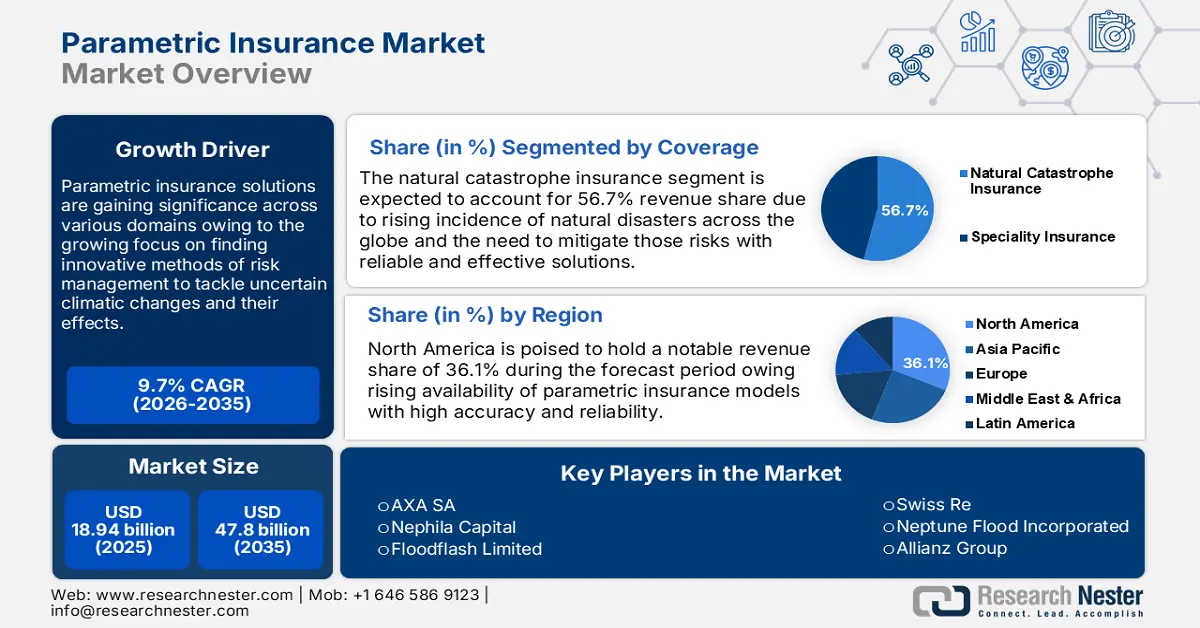
The parametric insurance market is expanding rapidly, with estimates placing the global value near $19.4 billion in 2025 and projecting growth to over $63 billion by 2035. This surge has attracted new entrants offering DeFi-integrated coverage, but not all products are built for the same risk profile. Identifying weak options requires looking past marketing claims about "seamless integration" and examining the underlying mechanics.
Many emerging DeFi parametric products rely on oracles that lack sufficient decentralization or have narrow trigger ranges. A common mistake is assuming that smart contract automation eliminates basis risk. In reality, if the oracle data does not perfectly match your specific exposure, you may face payout delays or denial despite a genuine loss. Always verify the oracle provider's track record and data source transparency.
Another misleading claim is the promise of "instant, hassle-free" payouts without trade-offs. While speed is a benefit, it often comes with stricter coverage definitions and higher premiums compared to indemnity-based policies. Compare the trigger thresholds carefully. A product that pays out on any minor weather event might exclude the exact type of damage you fear most.
When evaluating options, prioritize providers with audited smart contracts and clear, publicly available incident reports. Avoid platforms that obscure their oracle dependencies or offer vague coverage summaries. The strongest candidates for DeFi risk transfer are those that explicitly define their data sources and have undergone third-party security reviews.
No comments yet. Be the first to share your thoughts!