Defining the parametric insurance strategy
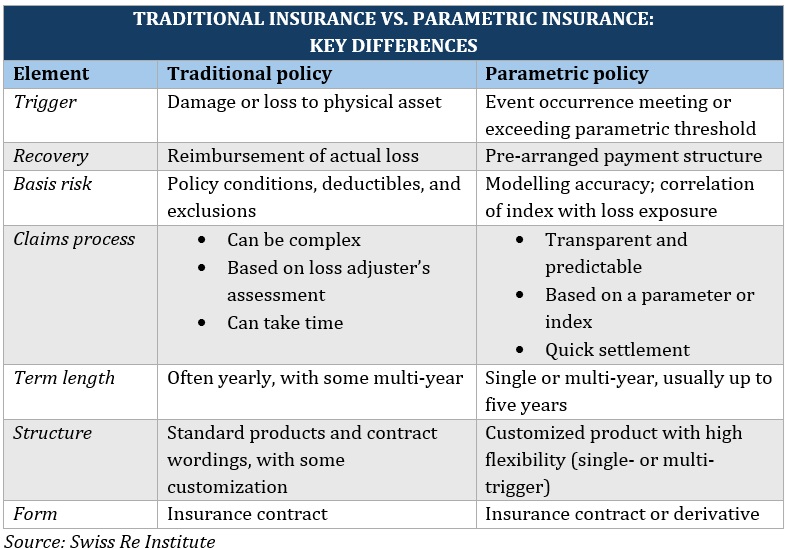
Parametric insurance is a straightforward risk transfer solution where payouts are triggered by a specific, pre-defined event rather than an assessment of actual losses. According to Aon, this model offers rapid, flexible payments based on objective triggers like wind speed or rainfall levels, which bolsters transparency and reduces administrative friction [Aon]. In the DeFi space, this translates to smart contracts that automatically release funds when real-world data oracles confirm a threshold breach, such as a price drop or a weather event.
This approach shifts the focus from indemnity to immediacy. Traditional insurance requires claims adjusters to verify damage, a process that can take months. Parametric insurance removes the loss-adjustment phase entirely. If the oracle data matches the contract parameters, the payout is instant. This speed is critical for DeFi protocols and farmers who need liquidity immediately after a shock to maintain operations or cover margin calls.
However, the strategy introduces basis risk. Because the payout is tied to a trigger rather than actual loss, there may be a mismatch. For example, a drought insurance policy might trigger based on regional rainfall data, but a specific farm might still suffer damage from a localized pest outbreak not covered by the rainfall metric. Users must accept this potential gap between the trigger and their actual financial exposure in exchange for the speed and certainty of the payout.
Parametric insurance strategy choices that change the plan
Use this section to make the Parametric Insurance Strategy decision easier to compare in real life, not just on paper. Start with the reader's actual constraint, then separate must-have requirements from details that are merely nice to have. A practical choice should survive normal use, maintenance, timing, and budget. If a recommendation only works in an ideal situation, call that out plainly and give the reader a fallback path.
| Factor | What to check | Why it matters |
|---|---|---|
| Fit | Match the option to the primary use case. | A good deal still fails if it does not fit the job. |
| Condition | Verify age, wear, and service history. | Hidden condition issues erase upfront savings. |
| Cost | Compare purchase price with likely upkeep. | The cheapest option is not always the lowest-cost option. |
Choose the next step
Parametric Insurance Strategy works best as a clear sequence: define the constraint, compare the realistic options, test the tradeoff, and choose the path with the fewest hidden costs. That order keeps the advice usable instead of decorative. After each step, pause long enough to check whether the recommendation still fits the reader's actual situation. If it depends on perfect timing, unusual access, or a best-case budget, include a simpler fallback.


Avoid the weak options
Use this section to make the Parametric Insurance Strategy decision easier to compare in real life, not just on paper. Start with the reader's actual constraint, then separate must-have requirements from details that are merely nice to have. A practical choice should survive normal use, maintenance, timing, and budget. If a recommendation only works in an ideal situation, call that out plainly and give the reader a fallback path.
The simplest way to use this section is to write down the must-have criteria first, then compare each option against those criteria before weighing nice-to-have features.
Parametric insurance strategy: what to check next
Helpful gear
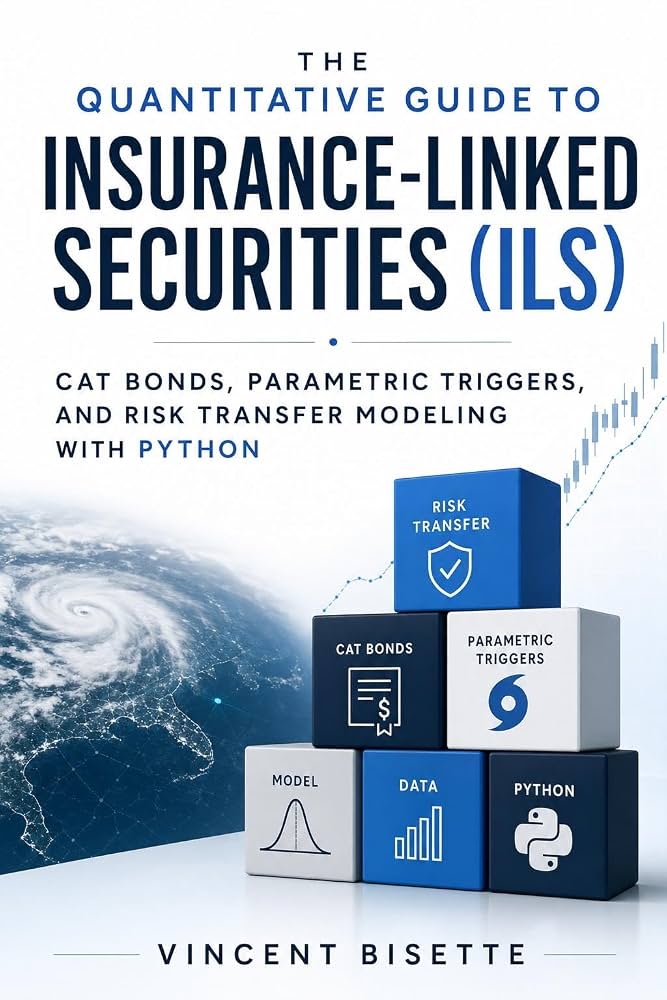
Use these product recommendations as a starting point, then choose the size, material, and price point that fit how you actually use the gear.

As an Amazon Associate, we may earn from qualifying purchases.
No comments yet. Be the first to share your thoughts!