Defining the parametric insurance strategy
A parametric insurance strategy shifts risk transfer from subjective loss assessment to objective data triggers. Instead of waiting for claims adjusters to verify damage, payouts activate automatically when a pre-defined parameter—such as a specific index value or threshold—is breached. This approach prioritizes speed and transparency, making it particularly effective for DeFi protocols where liquidity events require immediate reaction rather than prolonged negotiation.
The core mechanism relies on external data feeds that report objective metrics. When these metrics hit the trigger level established in the smart contract, the payout executes without human intervention. This eliminates moral hazard and adverse selection risks associated with traditional indemnity models. For DeFi risk management, this means protocols can hedge against specific market conditions or infrastructure failures with predictable settlement times.
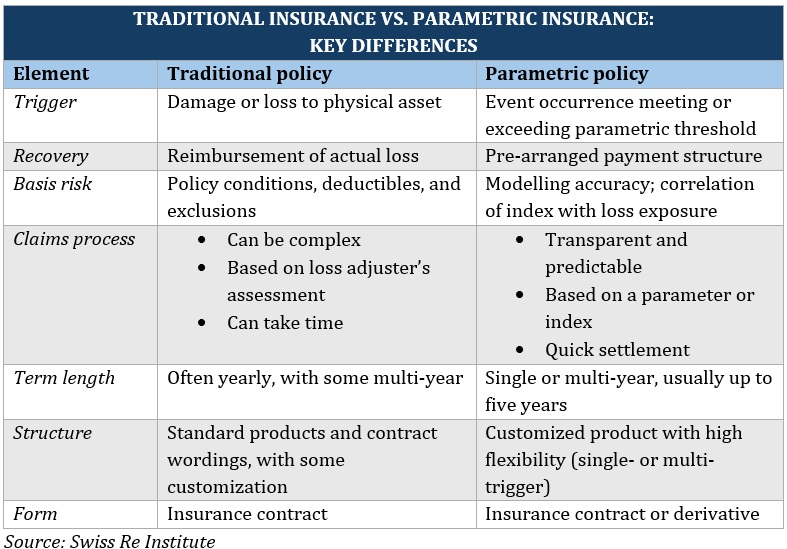
While traditional insurance covers actual proven losses, parametric solutions cover the occurrence of an event. This distinction creates a basis risk: the trigger may occur without significant harm, or harm may occur without triggering the payout. Therefore, the strategy requires careful calibration of trigger levels to align with the protocol’s actual exposure points. The goal is not to eliminate all variance, but to provide a reliable liquidity buffer during extreme events.
| Feature | Parametric | Traditional Indemnity |
|---|---|---|
| Payout Speed | Instant/Smart Contract | Months/Years |
| Basis Risk | High | Low |
| Cost Structure | Premium + Data Feed | Premium + Adjuster Fees |
| Transparency | Onchain/Verifiable | Private/Subjective |
Parametric insurance strategy choices that change the plan
Use this section to make the Parametric Insurance Strategy decision easier to compare in real life, not just on paper. Start with the reader's actual constraint, then separate must-have requirements from details that are merely nice to have. A practical choice should survive normal use, maintenance, timing, and budget. If a recommendation only works in an ideal situation, call that out plainly and give the reader a fallback path.
| Factor | What to check | Why it matters |
|---|---|---|
| Fit | Match the option to the primary use case. | A good deal still fails if it does not fit the job. |
| Condition | Verify age, wear, and service history. | Hidden condition issues erase upfront savings. |
| Cost | Compare purchase price with likely upkeep. | The cheapest option is not always the lowest-cost option. |
Choose the next step
Parametric Insurance Strategy works best as a clear sequence: define the constraint, compare the realistic options, test the tradeoff, and choose the path with the fewest hidden costs. That order keeps the advice usable instead of decorative. After each step, pause long enough to check whether the recommendation still fits the reader's actual situation. If it depends on perfect timing, unusual access, or a best-case budget, include a simpler fallback.


Spotting Weak Parametric Insurance Options
Traditional parametric insurance relies on centralized triggers that can lag or dispute outcomes. Onchain parametric insurance replaces this with code-executed payouts, but the infrastructure introduces new risks. Many projects promise instant liquidity but hide critical flaws in their oracle dependencies and smart contract logic. Before integrating these tools into a DeFi risk strategy, you must audit the data sources and execution paths.
The most common mistake is trusting a single oracle feed for trigger validation. If that feed is manipulated or experiences downtime, the policy fails. Look for protocols that use decentralized oracle networks or multiple data sources to confirm the trigger event. This redundancy ensures that payouts occur only when the underlying data is verified across independent nodes, reducing the risk of false positives or malicious manipulation.
Another weak option is poorly designed smart contracts that lack proper access controls. Ensure the protocol uses multi-signature wallets for administrative functions and has undergone independent security audits. Without these safeguards, a single compromised key can drain the liquidity pool or alter trigger conditions. Always verify the contract’s address on a block explorer and check for any recent vulnerabilities reported by audit firms.
Finally, avoid options with opaque liquidity mechanisms. Some platforms lock funds in illiquid positions, making it difficult to claim payouts during high-demand periods. Choose protocols that maintain sufficient stablecoin reserves or have clear redemption processes. This ensures that claims are paid promptly, even during volatile market conditions or widespread events that trigger multiple policies simultaneously.
Parametric insurance strategy: what to check next
Parametric insurance uses pre-defined triggers, such as specific on-chain price drops or oracle data points, to automate payouts without traditional claims assessment. This structure removes the friction of damage verification, making it ideal for DeFi protocols that need immediate liquidity during market stress events.
How do parametric triggers work in DeFi?
Triggers rely on immutable data oracles that record specific metrics like volatility indices or token prices. When the recorded value crosses a set threshold, smart contracts execute payouts automatically. This eliminates the lag of manual underwriting, ensuring capital is available exactly when liquidity crises hit.
What is the basis risk in parametric coverage?
Basis risk occurs when the trigger event does not perfectly align with your actual financial loss. For example, a protocol might suffer losses due to a smart contract bug while the parametric trigger only activates on market price crashes. This mismatch means coverage might not pay out when you need it most, or pay out when no direct loss occurred.
Can parametric insurance cover smart contract failures?
Standard parametric products typically cover market events, not technical failures. Coverage for code exploits usually requires hybrid models that combine on-chain oracle data with external audit results. Purely parametric structures struggle to verify the "cause" of a loss, making them less suitable for non-market risks.
How do premiums compare to traditional insurance?
Parametric premiums are often lower due to reduced administrative overhead and automated claims processing. However, pricing is heavily dependent on historical volatility data. In high-volatility markets, premiums can spike significantly, reflecting the increased probability of trigger activation.
No comments yet. Be the first to share your thoughts!