Parametric insurance strategy limits to account for
Defining clear constraints is the first step in evaluating parametric insurance. Separate must-have criteria, such as specific trigger thresholds or oracle reliability, from nice-to-have features like additional coverage layers. A practical choice must survive normal market volatility, maintenance costs, and timing delays. If a recommendation relies on ideal conditions, note the fallback path.
Parametric insurance strategy choices that change the plan
The decision matrix for parametric insurance hinges on three factors: fit, condition, and cost. Use the comparison below to weigh these elements against your specific risk profile.
| Factor | What to check | Why it matters |
|---|---|---|
| Fit | Match the option to the primary use case. | A good deal still fails if it does not fit the job. |
| Condition | Verify age, wear, and service history. | Hidden condition issues erase upfront savings. |
| Cost | Compare purchase price with likely upkeep. | The cheapest option is not always the lowest-cost option. |
Choose the next step
Parametric insurance strategy works best as a clear sequence: define the constraint, compare the realistic options, test the tradeoff, and choose the path with the fewest hidden costs. That order keeps the advice usable instead of decorative.
After each step, pause long enough to check whether the recommendation still fits the reader's actual situation. If it depends on perfect timing, unusual access, or a best-case budget, include a simpler fallback.

Avoid the weak options
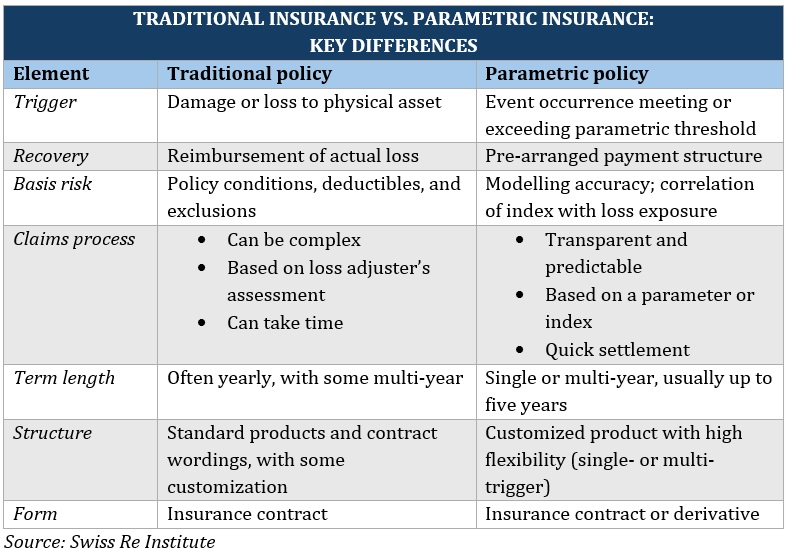
Weak parametric insurance products often lack transparent oracle data or have overly complex trigger mechanisms. Avoid strategies that obscure the basis risk—the gap between the trigger event and your actual financial loss. Prioritize solutions with audited smart contracts and clear historical performance data.
Parametric insurance strategy: what to check next
Navigating the intersection of smart contracts and real-world data requires clarity on mechanics and limitations. These answers address the most common objections and technical questions for risk managers integrating onchain coverage.
Technical Chart
Helpful gear
Use these product recommendations as a starting point, then choose the size, material, and price point that fit how you actually use the gear.


As an Amazon Associate, we may earn from qualifying purchases.
No comments yet. Be the first to share your thoughts!