Defining Parametric Insurance Strategy
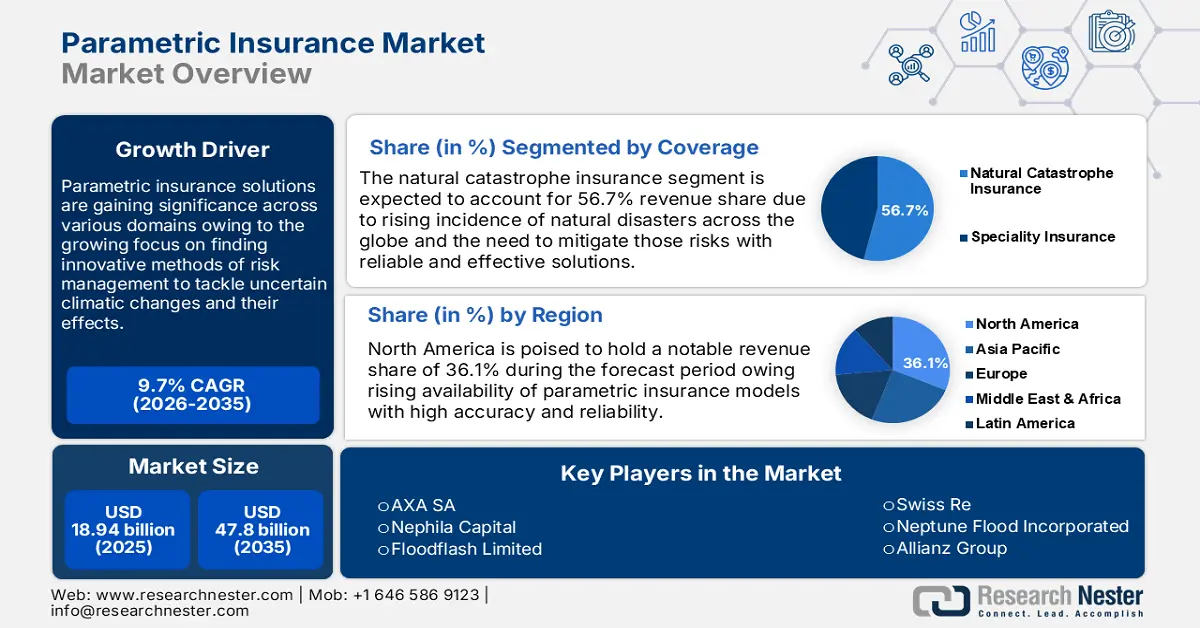
A parametric insurance strategy shifts risk transfer from traditional indemnity models to predefined, objective triggers. Instead of waiting for loss adjusters to assess damage, payouts activate automatically when specific parameters are met, such as wind speed exceeding 100 mph or rainfall dropping below 10 inches. This approach prioritizes speed and transparency over granular loss verification, making it ideal for events where damage assessment is slow or costly.
In the DeFi context, this strategy leverages smart contracts to execute payouts without human intervention. The core mechanism relies on oracles to feed real-world data into the protocol. If the data matches the trigger condition, the smart contract releases the funds. This reduces counterparty risk and eliminates the ambiguity often associated with traditional insurance claims processes.
The primary advantage is immediacy. Liquidity is restored to the insured party within days, or even hours, of the triggering event. This rapid capital injection is critical for businesses and individuals who cannot afford prolonged financial downtime. However, this model introduces basis risk—the possibility that the trigger occurs but actual losses do not, or vice versa. A robust parametric strategy requires careful calibration of these triggers to align closely with real-world exposure.
Choosing the Right Parametric Insurance Strategy
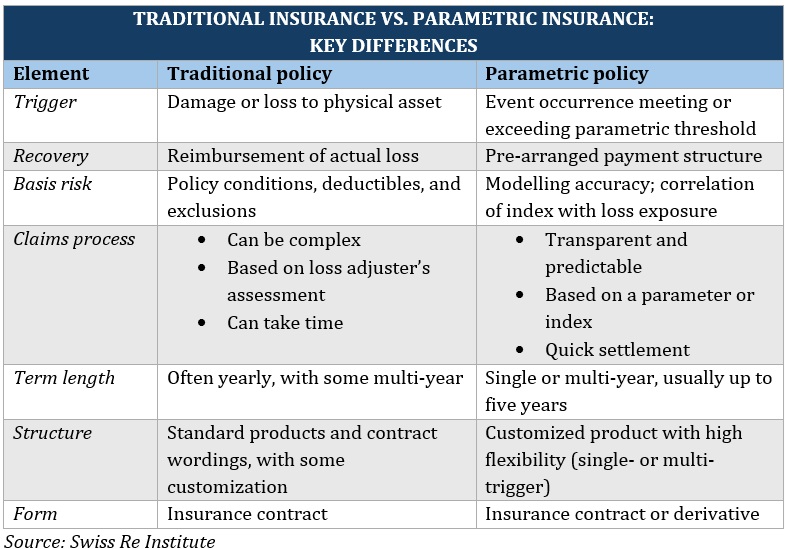
Selecting a parametric insurance product requires matching a specific financial exposure to a measurable, independent trigger. Unlike traditional indemnity insurance, which pays based on actual loss assessment, parametric solutions pay out when a predefined data point—such as wind speed, rainfall volume, or earthquake magnitude—crosses a set threshold.
This mechanism eliminates claims adjustments, ensuring rapid liquidity. However, it introduces basis risk: the potential for a severe event to occur without triggering a payout, or a minor event triggering a large payout. To navigate this, follow a four-step evaluation framework.
Define the exact financial impact you need to hedge. Are you protecting against crop failure due to drought, supply chain delays from weather, or revenue loss from a natural disaster? The trigger must correlate directly with your financial loss, not just the physical event.
Choose a trigger source that is transparent and resistant to manipulation. Common sources include government meteorological agencies, satellite data providers, or blockchain oracles for DeFi applications. Avoid triggers managed by the insurer or the insured party to maintain trust and speed.

Determine the exact data point that activates the policy. For example, "payout triggers if rainfall in Miami drops below 2 inches for 30 consecutive days." Decide if the payout is binary (all or nothing) or linear (increasing with the severity of the event). Linear structures often reduce basis risk.
Analyze the historical correlation between your chosen trigger and your actual losses. If the data shows frequent mismatches, the strategy may be flawed. Compare the premium cost against traditional insurance, factoring in the value of immediate liquidity and the elimination of administrative overhead.
Key Tradeoffs and Decision Framework
Choosing this strategy requires a clear understanding of the tradeoffs. It is most effective for perils with easily measurable impacts, such as natural disasters or market volatility. For risks requiring nuanced loss evaluation, traditional indemnity may still be necessary. The decision ultimately hinges on the balance between speed of recovery and the precision of coverage.
The Oracle Problem
The most common failure point is the data source. If the oracle feeding trigger data is compromised or delayed, payouts become unpredictable or impossible. Look for protocols that use decentralized oracle networks rather than single-point-of-failure feeds. Verify that the data providers have a history of accuracy in the specific region or asset class you are covering. A delay of even hours can invalidate the hedge during volatile markets.
Basis Risk and Trigger Design
Basis risk occurs when the trigger activates but your actual loss is different, or vice versa. For example, a rainfall trigger might hit, but your specific farm receives no rain due to micro-climate variations. Check the granularity of the trigger. Coarse data points, like county-level weather, often leave significant exposure gaps. Ensure the contract parameters align closely with your actual vulnerability profile.
Liquidity and Counterparty Risk
Unlike traditional insurance backed by diversified reinsurance pools, DeFi parametric products often rely on limited liquidity pools. If a major event triggers multiple claims simultaneously, the pool may run dry, leaving you unpaid. Review the pool size relative to the maximum potential payout. Additionally, smart contract risk remains; ensure the protocol has undergone rigorous third-party audits.
Making the Choice
Choose parametric insurance only when speed and certainty of payout outweigh the need for precise loss measurement. It works best for well-defined, binary risks like weather events or network outages. Avoid it for complex, multi-variable losses where basis risk is high. Always prioritize protocols with transparent, decentralized data sources and sufficient liquidity buffers.
Practical Considerations for Implementation
Parametric insurance in DeFi is not a traditional policy; it is a smart contract that pays out when a specific data point hits a pre-set threshold. This structure eliminates the claims adjuster process, replacing it with automated execution. The primary advantage is speed. When a protocol or portfolio faces a liquidity crunch or a sudden market drop, funds are released immediately, allowing for rapid rebalancing or recovery without waiting for manual verification.
However, this efficiency comes with distinct tradeoffs. The most significant risk is basis risk, where the trigger event does not perfectly align with the actual financial loss you experience. If the oracle data shows a 10% drop but your specific assets only fell 5%, the payout may exceed your needs, or conversely, if the oracle is delayed or manipulated, you may not be covered when you need it most. This disconnect is why careful contract auditing and oracle selection are non-negotiable steps in any DeFi risk transfer strategy.
Another common concern is the cost of capital. Unlike traditional insurance premiums paid annually, DeFi parametric products often require locking collateral or paying gas fees for each trigger check. For small portfolios, these fixed transaction costs can erode the value of the hedge. It is essential to calculate the break-even point: the payout must significantly outweigh the cost of the hedge and the opportunity cost of locked assets to make the strategy viable.
Finally, transparency is both a feature and a limitation. Because the logic is on-chain, anyone can verify the trigger conditions and potential payouts before buying. This removes ambiguity but also means there is no room for negotiation during a crisis. If the data says the threshold was met, the contract pays. There are no exceptions for "acts of God" or unusual market behaviors that deviate from the model. This rigidity ensures fairness but requires users to fully understand the underlying mechanics before deploying capital.



As an Amazon Associate, we may earn from qualifying purchases.
Frequently asked: what to check next
How is DeFi parametric insurance different from traditional coverage? Traditional insurance relies on manual claims assessment and adjusters, which can take weeks or months. DeFi parametric insurance uses smart contracts and oracles to pay out automatically when a predefined data point (like a price drop or volatility index) is met. This removes human intervention, ensuring immediate liquidity during crises but requiring strict adherence to the trigger conditions.
What is basis risk in parametric strategies? Basis risk occurs when the event that triggers the payout does not perfectly match your actual financial loss. For example, if you hedge against the total market cap drop but your specific portfolio is underperforming the market, the payout might be insufficient to cover your losses. Careful selection of the underlying index or oracle is critical to minimizing this gap.
Do I need to lock up collateral for these products? Yes, most DeFi parametric insurance protocols require you to lock collateral (often stablecoins or ETH) to back the potential payouts. This means your capital is tied up until the policy expires or a claim is made. You must weigh the opportunity cost of this locked capital against the protection it provides, especially in high-yield environments.
How are oracle data sources verified? Reputable protocols use decentralized oracle networks (like Chainlink) that aggregate data from multiple independent sources to prevent manipulation. The smart contract code will specify exactly which oracle feeds are used. It is vital to audit these contracts to ensure the oracles are robust and that there are fallback mechanisms in case of data failure.
Is parametric insurance suitable for small portfolios? It can be, but transaction costs and minimum entry thresholds may make it less efficient for very small amounts. Gas fees for deploying and monitoring contracts can eat into the value of the hedge. For smaller portfolios, simpler hedging strategies like direct stablecoin conversion or diversified staking might offer better risk-adjusted returns.
No comments yet. Be the first to share your thoughts!