How parametric insurance works
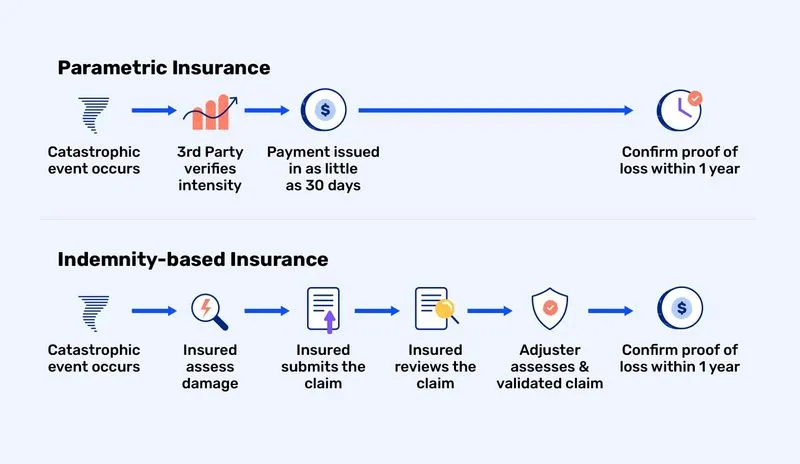
Parametric insurance shifts the focus from assessing actual damage to measuring a specific, objective event. Traditional indemnity policies require an adjuster to visit the site, verify losses, and calculate a payout based on the extent of the harm. This process can take weeks or months, leaving policyholders without capital when they need it most.
In contrast, a parametric policy pays out a predefined amount the moment a measurable trigger is met. The trigger is an independent, verifiable data point, such as wind speed, earthquake magnitude, or rainfall levels. According to Descartes Underwriting, this model removes the need for loss adjustment, allowing for speed of payout that traditional insurance simply cannot match [1].
The mechanism relies on the correlation between the trigger and the actual loss. For example, a hurricane with 155 mph winds in a specific zone almost certainly causes significant structural damage. If the wind sensor records that speed, the smart contract executes the payment immediately. The payout amount is fixed at the start of the policy; it does not fluctuate based on the final cost of repairs. This distinction is critical for understanding how onchain risk transfer functions: it is a financial instrument driven by data, not a repair service.
How the onchain stack powers parametric insurance
Onchain parametric insurance replaces the traditional claims adjuster with code. The system relies on three core components: smart contracts that hold the policy terms, oracles that feed external data into the blockchain, and data providers that verify the underlying events. When a predefined trigger is met—such as a specific earthquake magnitude or rainfall threshold—the smart contract executes automatically. This removes administrative friction and ensures payouts happen instantly, regardless of human interpretation.
Oracles and data providers
The integrity of the entire system depends on reliable data. Oracles act as the bridge between offchain reality and onchain logic. They pull information from trusted sources, such as the World Meteorological Organization for weather data or seismic agencies for earthquake readings. Once an oracle confirms that the trigger condition has been met, it signals the smart contract to release funds. Without this trusted data layer, the automation would be vulnerable to manipulation or error.
Smart contract execution
The smart contract serves as the automated insurer. It holds the capital in a decentralized pool and enforces the payout rules without intervention. Because the logic is immutable and transparent, policyholders can verify exactly how and when payouts occur. This transparency is critical for building trust in a system that operates without a central authority. The code ensures that if the data says a loss occurred, the money moves—no questions asked.
Key parametric insurance tools and platforms
The market for parametric insurance has expanded beyond traditional catastrophe bonds into specialized DeFi protocols and hybrid platforms. These tools automate risk transfer by linking payouts directly to verified external data, removing the need for traditional claims adjustment. For onchain risk transfer, this means liquidity providers can underwrite specific triggers—such as ETH price drops or weather indices—without manual intervention.
Major Platforms and Protocols
Nexus Mutual operates as a peer-to-peer coverage model primarily for smart contract and custodial risk. Instead of a traditional insurer, capital providers (members) underwrite claims. Payouts are determined by community votes based on verified incidents, making it a decentralized alternative to traditional parametric triggers for technical failures.
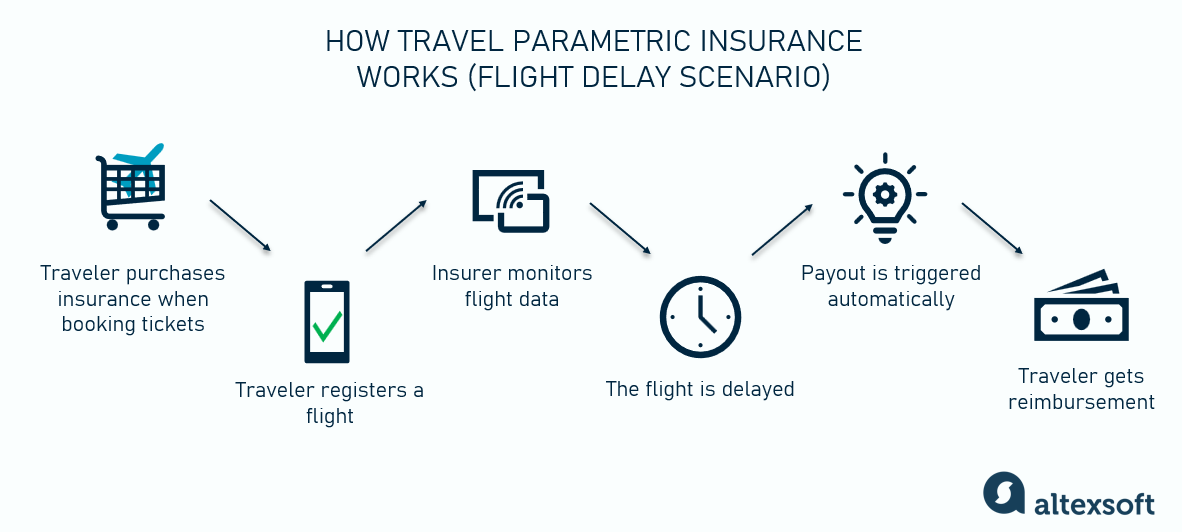
Etherisc focuses on real-world assets using oracles like Chainlink. Their flagship product, Flight Delay Insurance, pays out automatically when flight data confirms a delay exceeding a set threshold. This model demonstrates how parametric insurance can scale to consumer-level micro-policies onchain.
Tremendous and Layer3 often integrate parametric-style rewards into their platforms, though they function more as engagement tools. For pure insurance, Hedgey and Risk Harbor are emerging as specialized protocols offering coverage for DeFi impermanent loss and smart contract exploits, utilizing data feeds to trigger payouts instantly.
Comparison of Key Features
| Platform | Primary Risk Type | Trigger Mechanism | Payout Method |
|---|---|---|---|
| Nexus Mutual | Smart Contract Failure | Community Vote / Oracle | ETH Staking Pool |
| Etherisc | Weather / Flight Delay | Chainlink Oracle | Stablecoin (USDC) |
| Risk Harbor | DeFi Protocol Exploit | Onchain Oracle | Wrapped ETH |
| Helix | Weather / Energy | IoT / Satellite Data | Fiat / Crypto |
The choice of platform depends on whether the risk is technical (smart contract failure) or environmental (weather, flight delays). Technical risks rely heavily on oracle reliability, while environmental risks require trusted data sources that are resistant to manipulation.
Designing a parametric risk strategy
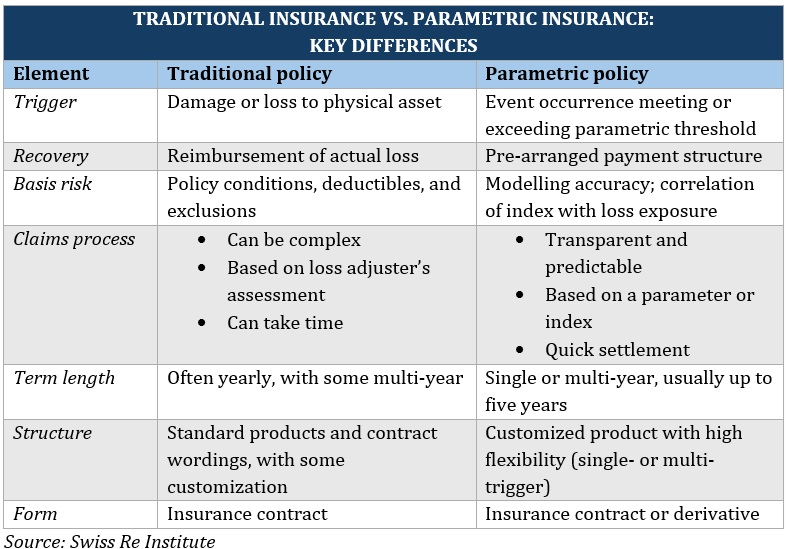
Building a robust parametric insurance guide requires shifting from traditional loss-adjustment models to event-based triggers. Unlike standard indemnity policies that assess damage after the fact, parametric contracts pay out based on objective data thresholds, such as wind speed or seismic magnitude. This approach offers faster liquidity but introduces specific structural challenges that require careful planning.
Define the exact metric that activates a payout. The trigger must be sourced from a reputable, neutral data provider to ensure transparency. For example, a hurricane policy might trigger when wind speeds exceed 120 mph at a specific geographic point. Avoid ambiguous metrics that could lead to disputes over data interpretation.
Basis risk occurs when the trigger event happens, but your actual financial loss does not match the payout amount. To mitigate this, stress-test your policy against historical scenarios to see how closely the trigger aligns with your exposure. A high correlation between the index and your actual losses is essential for effective risk transfer.
Parametric coverage should complement, not replace, traditional insurance. Use it to cover the "gap" periods where traditional claims processes are slow. Integrate these policies into your enterprise risk management (ERM) system to ensure capital reserves are optimized and liquidity is available exactly when needed.
By focusing on these elements, you can design a parametric insurance guide that provides genuine financial protection without the delays associated with traditional claims adjustment.
Frequently Asked Questions About Parametric Insurance
Understanding how parametric insurance works helps clarify its role in onchain risk transfer and broader DeFi strategies.
Helpful gear
Use these product recommendations as a starting point, then choose the size, material, and price point that fit how you actually use the gear.


As an Amazon Associate, we may earn from qualifying purchases.
No comments yet. Be the first to share your thoughts!