What makes a viable parametric insurance strategy
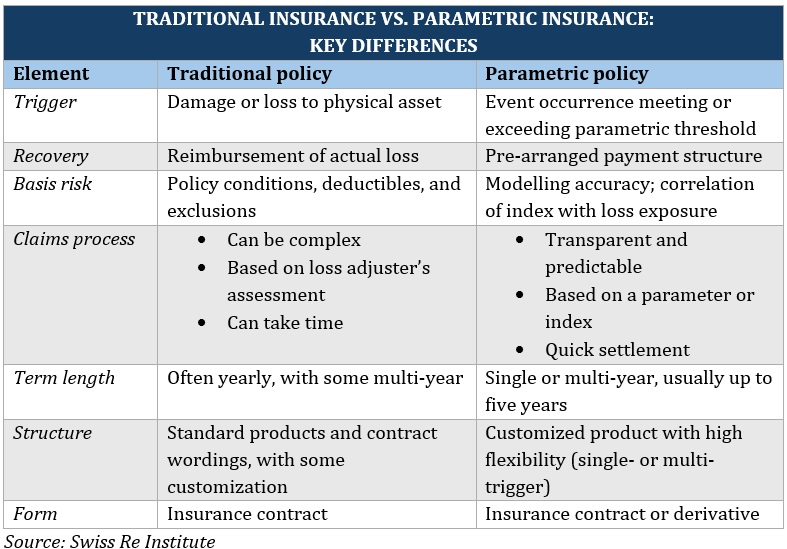
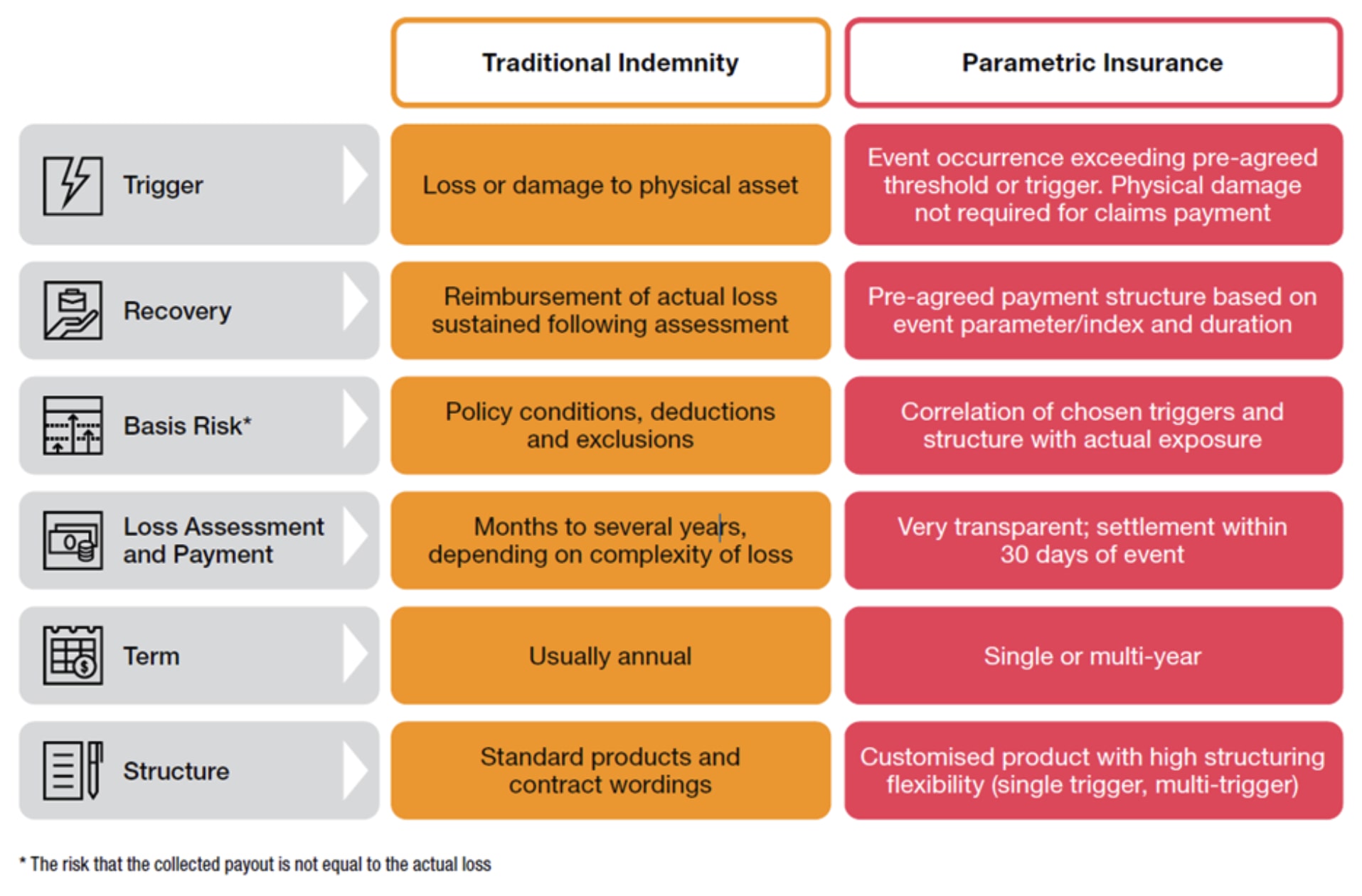
A parametric insurance strategy shifts risk transfer from assessing actual losses to triggering payouts based on objective data. Traditional indemnity models rely on claims adjusters to determine payout amounts after damage occurs, a process that is slow and prone to dispute. Parametric products remove the loss assessment step. If a predefined metric crosses a specific threshold, the contract pays out automatically. This mechanism is particularly effective for covering protection gaps left by conventional policies, such as deductibles or excluded perils.
For DeFi protocols, this approach offers immediate liquidity during market shocks. Instead of waiting for a legal determination of insolvency or hack severity, smart contracts can release stablecoins or collateral when onchain metrics—like a token’s price dropping below a certain level for a set duration—trigger the event. This speed is critical in crypto, where capital flight can happen in minutes.
However, the strategy introduces basis risk. This occurs when the trigger data does not perfectly align with the protocol’s actual financial loss. For example, a price drop might trigger a payout even if the protocol’s underlying assets remain secure and liquid. A robust strategy requires careful selection of oracles and trigger parameters to minimize this mismatch. The goal is to balance speed with accuracy, ensuring that payouts protect the protocol without creating moral hazard or unnecessary capital drag.
Success depends on treating insurance as a programmable component of the broader risk architecture. It is not a standalone fix but a layer that works best when integrated with other safeguards like circuit breakers or diversified collateral. By focusing on transparent, onchain-verifiable triggers, protocols can create a more resilient safety net that responds instantly to market conditions.
Parametric insurance strategy choices that change the plan
Choosing a parametric insurance strategy requires balancing speed against precision. Unlike traditional indemnity policies that pay out based on actual loss assessments, parametric contracts trigger payments when a specific external metric—such as wind speed, rainfall volume, or index price movement—crosses a predefined threshold. This structure eliminates the long claims adjustment period, offering liquidity when it is needed most. However, this efficiency comes with distinct structural tradeoffs that DeFi risk managers must evaluate before deployment.
The primary tension lies in the basis risk. Because payouts are tied to an index rather than actual damage, there is often a disconnect between the trigger event and the user’s real-world exposure. A hurricane might hit a region at 120 mph, triggering a payout, while a specific farm only suffers 10% crop loss due to superior infrastructure. Conversely, a severe localized event might fall just short of the trigger threshold, leaving the insured with no coverage despite significant losses. This mismatch means parametric insurance functions more as a liquidity buffer than a perfect indemnity substitute.
To help evaluate these tradeoffs, consider the following comparison of common parametric structures used in DeFi and traditional risk transfer:
| Evaluation Factor | Payout Speed | Basis Risk | Premium Cost | Implementation Complexity |
|---|---|---|---|---|
| Index-Linked (DeFi) | Instant (Onchain) | High (Price vs. Usage) | Lower (Automated) | Low (Smart Contract) |
| Weather-Triggered | Days to Weeks | Medium (Location Specific) | Higher (Data Feeds) | Medium (Oracle Dependency) |
| Hybrid Models | Weeks | Low (Adjusted Payouts) | Highest (Dual Verification) | High (Legal + Tech) |
The choice between these structures dictates your exposure to basis risk and your operational overhead. Index-linked strategies in DeFi offer the fastest settlement but suffer from high basis risk if the asset’s price movement does not correlate with your actual operational loss. Weather-triggered models reduce this disconnect by using physical data oracles but introduce latency and higher data verification costs. Hybrid models attempt to bridge the gap by adjusting payouts based on secondary verification, but they reintroduce the complexity and delay that parametric insurance aims to avoid.
When selecting a strategy, prioritize the correlation between the trigger and your specific risk profile. A high basis risk may be acceptable for a liquidity buffer but unacceptable for core asset protection. Always model the worst-case scenario where the trigger fires but actual losses are minimal, or where actual losses occur but the trigger does not fire. This stress testing ensures your parametric layer complements, rather than creates gaps in, your overall risk transfer framework.
Choose the next step: Build a practical parametric insurance framework
Parametric insurance fills gaps that traditional indemnity policies leave open, such as high deductibles or excluded perils [[src-serp-1]]. By relying on pre-defined triggers like rainfall levels or wind speed rather than loss assessments, it offers rapid, transparent payouts [[src-serp-2]]. This structure is particularly effective for DeFi protocols facing specific, measurable risks.
To implement this strategy, follow this ordered framework:

Identify the exact threat to your protocol, such as oracle manipulation, smart contract failure, or liquidity drain. Avoid vague categories; specificity ensures the trigger can be objectively measured.

Choose data sources that are transparent and immutable. Oracles like Chainlink or weather data feeds provide the necessary credibility. The trigger must be binary or threshold-based to eliminate dispute.
Determine the payout amount based on the severity of the trigger event. For example, if a price drops below a certain threshold, the payout should cover the estimated loss. This ensures the compensation is proportional to the risk.
Code the trigger logic and payout mechanism into a smart contract. Ensure the contract has sufficient liquidity to cover payouts when the trigger is activated. Test the contract thoroughly to prevent exploits.
Continuously monitor the trigger data and contract performance. Adjust the parameters as the market conditions change. Regular audits ensure the contract remains secure and effective.
This framework transforms abstract risk concepts into actionable, automated protections. By focusing on objective triggers and clear payouts, you can build resilience against market volatility and operational failures.
Spotting Weak Parametric Options
Onchain parametric insurance promises instant payouts, but the infrastructure is often less robust than marketing suggests. DeFi protocols frequently rely on off-chain data oracles that introduce latency and manipulation risk. Before deploying capital, audit the trigger mechanism and the source of truth.
Oracle Dependency Risks
Most DeFi parametric products depend on centralized oracles like Chainlink or API3. If the oracle fails or is delayed, payouts stall, defeating the purpose of "instant" liquidity. Check if the protocol uses multiple oracle feeds or on-chain verification layers to mitigate single-point failures.
Trigger Threshold Ambiguity
Vague trigger definitions, such as "significant rainfall," create disputes. Strong protocols use precise, measurable metrics (e.g., ">50mm rain in Zone A for 24 hours") from reputable sources like NOAA. Avoid products where the trigger logic is opaque or relies on subjective interpretation.
Liquidity and Solvency Gaps
Parametric pools must hold sufficient collateral to cover worst-case scenarios. Many DeFi insurance pools are undercapitalized, leading to insolvency during correlated events. Verify the pool's solvency ratio and stress-test the coverage against historical extreme weather data before committing funds.
Parametric insurance strategy: what to check next
Parametric insurance shifts risk transfer from loss assessment to data verification. For DeFi protocols and digital asset managers, this model offers speed but requires precise trigger design. Below are the most common practical objections and how to address them.
No comments yet. Be the first to share your thoughts!