Parametric insurance strategy limits to account for
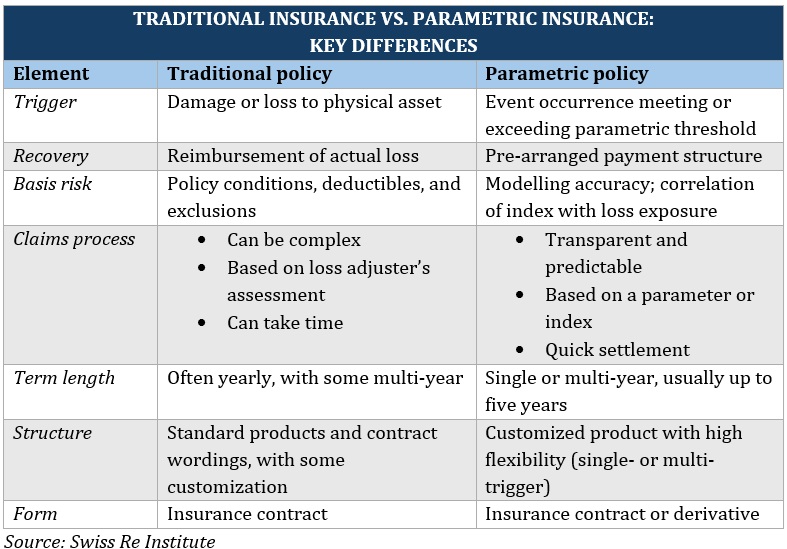
Parametric insurance relies on predefined triggers rather than traditional loss assessment. This fundamental shift creates specific strategic limits that buyers must understand before committing capital. The core constraint is basis risk: the possibility that a trigger activates without sufficient actual loss, or fails to activate despite significant damage.
To navigate these limits, separate must-have coverage triggers from optional enhancements. A robust parametric strategy survives normal market volatility, maintenance cycles, and budget fluctuations. If a proposed structure only works in idealized scenarios, identify the fallback path immediately.
Parametric insurance strategy choices that change the plan
Different parametric structures serve distinct risk profiles. Weather indices suit agricultural or energy sectors, while catastrophe bonds address natural disasters. Selecting the wrong trigger metric renders the policy ineffective, regardless of premium cost.
| Factor | What to check | Why it matters |
|---|---|---|
| Fit | Match the option to the primary use case. | A good deal still fails if it does not fit the job. |
| Condition | Verify age, wear, and service history. | Hidden condition issues erase upfront savings. |
| Cost | Compare purchase price with likely upkeep. | The cheapest option is not always the lowest-cost option. |
Choose the next step
Implementing a parametric strategy requires a clear sequence: define the trigger, compare realistic options, test the tradeoff, and choose the path with the fewest hidden costs. This order ensures the advice remains usable rather than decorative.
After each step, verify whether the recommendation fits the actual situation. If the strategy depends on perfect timing or best-case budgets, include a simpler fallback.
Avoid the weak options
Weak parametric products often feature overly complex trigger mechanisms or insufficient liquidity. Avoid structures where the payout calculation is opaque or dependent on third-party data sources with poor historical accuracy. Additionally, steer clear of policies with high basis risk, where the trigger rarely aligns with actual financial impact.
The simplest way to evaluate these options is to write down the must-have criteria first. Compare each option against those criteria before weighing nice-to-have features. This discipline prevents overpaying for unnecessary complexity.
Parametric insurance strategy: what to check next
Deep dive: Basis Risk and Liquidity
Understanding basis risk is critical for any parametric strategy. Basis risk occurs when the financial loss experienced by the insured does not correlate perfectly with the index used to trigger the payout. For example, a crop insurance policy triggered by regional rainfall might pay out even if a localized pest outbreak destroyed the farmer's specific field, or fail to pay if the farmer's irrigation system mitigated the drought impact.
Liquidity is another key consideration. Parametric products, particularly catastrophe bonds, often trade in secondary markets. While this can provide exit options, it also introduces price volatility unrelated to the underlying risk event. Buyers must assess whether they need immediate liquidity or are holding for the full term.
Data Integrity and Counterparty Risk
The reliability of the data source is paramount. If the index provider (e.g., a weather station or seismic monitor) experiences technical failure or data manipulation, the payout mechanism fails. Investors should review the historical accuracy and governance of the index provider. Additionally, counterparty risk exists; if the issuer of the parametric note defaults, the payout may not occur even if the trigger is met. Diversifying across multiple issuers or using collateralized trusts can mitigate this risk.
Cost-Benefit Analysis
While parametric insurance can offer faster payouts and lower administrative costs, the premiums may be higher than traditional indemnity insurance for low-frequency, high-severity events. However, for businesses that cannot wait for traditional claims processing, the speed of parametric payouts provides significant operational resilience. Conduct a detailed cost-benefit analysis that includes the value of time-to-cash, not just the premium cost.
Future Trends: Climate and Tech
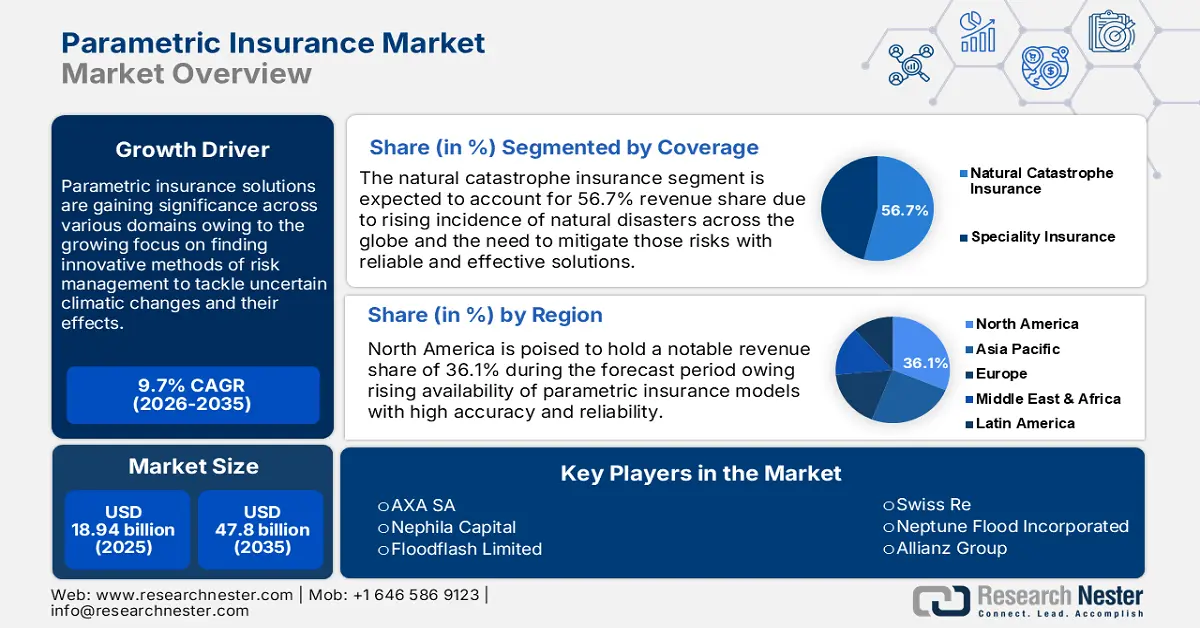
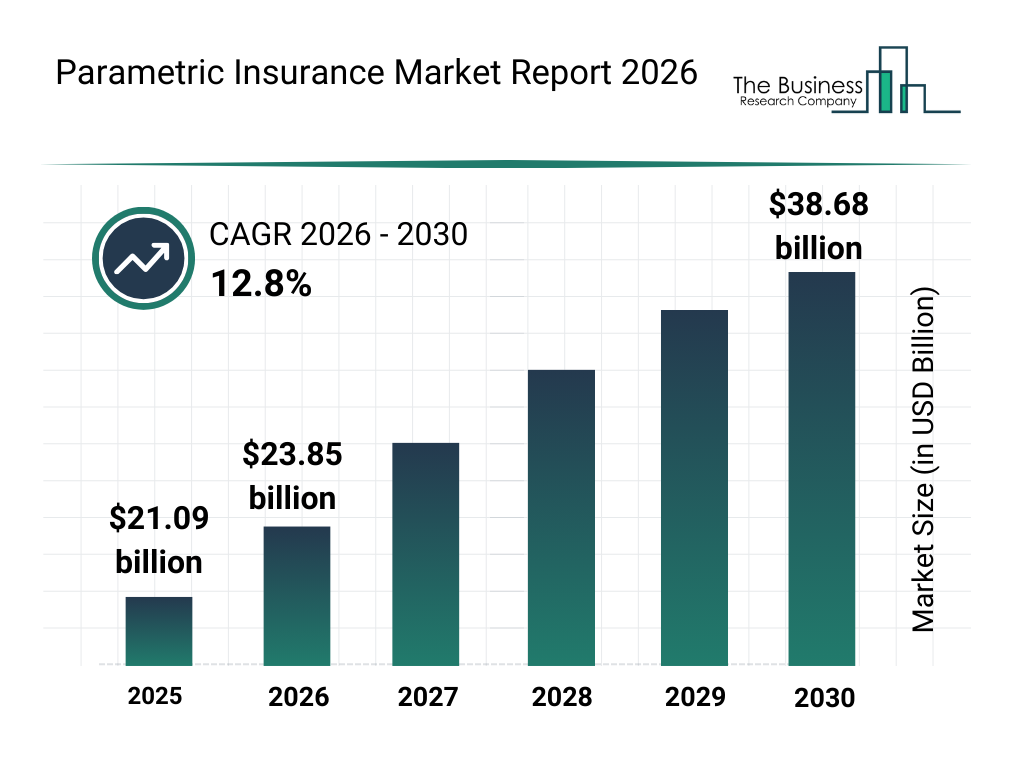
The parametric market is expanding into new areas, including cyber risk and supply chain disruptions. Advances in satellite imagery and IoT sensors are reducing basis risk by allowing for more granular trigger definitions. As data becomes more precise, parametric insurance will likely become a standard component of comprehensive risk management frameworks, particularly for climate-resilient infrastructure projects.
No comments yet. Be the first to share your thoughts!