The parametric insurance limits to account for
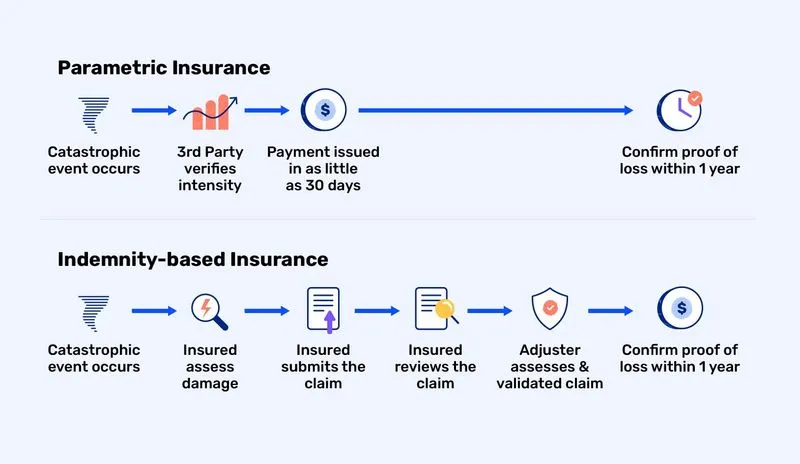
Parametric insurance works by tying payouts to a specific, measurable trigger rather than assessing actual losses after the fact. When the trigger—such as a hurricane’s wind speed or a specific blockchain index price—hits a predetermined threshold, the payout is automatic. This model removes the need for lengthy claims adjustments, offering speed and certainty that traditional indemnity insurance often cannot match.
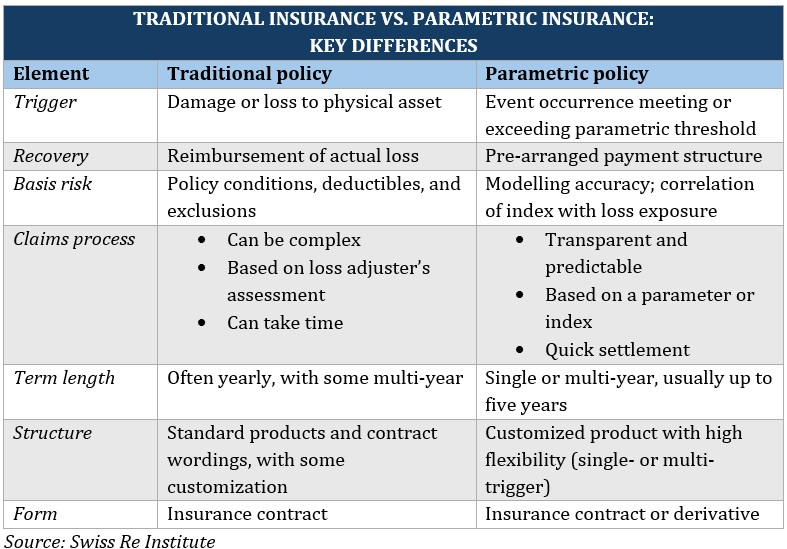
However, this efficiency comes with a distinct constraint: basis risk. Because the payout is fixed by the trigger, it rarely aligns perfectly with the insured’s actual financial damage. A policy might pay out fully even if the insured suffered zero loss, or it might leave them underinsured if their specific losses exceed the trigger’s scope. This disconnect means parametric products fill gaps in coverage rather than replacing comprehensive protection entirely.
In DeFi, this constraint manifests as the tension between on-chain index accuracy and real-world asset exposure. While smart contracts can execute trades instantly based on oracle data, the oracle’s data point may not fully capture the nuanced value of the underlying collateral. Users must therefore weigh the benefit of instant liquidity against the risk of mismatched coverage, treating these products as precise instruments rather than broad safety nets.
Parametric insurance choices that change the plan
Parametric Insurance works best as a clear sequence: define the constraint, compare the realistic options, test the tradeoff, and choose the path with the fewest hidden costs. That order keeps the advice usable instead of decorative. After each step, pause long enough to check whether the recommendation still fits the reader's actual situation. If it depends on perfect timing, unusual access, or a best-case budget, include a simpler fallback.
| Factor | What to check | Why it matters |
|---|---|---|
| Fit | Match the option to the primary use case. | A good deal still fails if it does not fit the job. |
| Condition | Verify age, wear, and service history. | Hidden condition issues erase upfront savings. |
| Cost | Compare purchase price with likely upkeep. | The cheapest option is not always the lowest-cost option. |
Choose the next step
Parametric Insurance works best as a clear sequence: define the constraint, compare the realistic options, test the tradeoff, and choose the path with the fewest hidden costs. That order keeps the advice usable instead of decorative. After each step, pause long enough to check whether the recommendation still fits the reader's actual situation. If it depends on perfect timing, unusual access, or a best-case budget, include a simpler fallback.
Watch out for these weak parametric insurance options
Onchain index triggers solve basis risk, but not every off-chain product does. When evaluating parametric insurance, look for these common pitfalls that leave buyers underprotected.
Basis risk from outdated indices
Many traditional policies rely on lagging data or broad geographic indices that don't match your specific exposure. If the trigger index doesn't correlate tightly with your actual losses, you pay premiums for coverage that rarely pays out.
Illiquid secondary markets
Unlike crypto-native parametric products, traditional policies often lack a liquid secondary market. You cannot easily sell or transfer your coverage before a claim event, locking up capital until the policy expires or a loss occurs.
Opaque trigger definitions
Some providers use vague or complex trigger mechanisms that are hard to verify. Look for clear, binary outcomes. If you cannot independently verify the data source or the exact threshold for a payout, the product is likely too complex to be reliable.
High administrative fees
Parametric insurance should reduce administrative overhead. If a provider charges high fees for claims processing or manual verification, it defeats the purpose of automation. Stick to products with transparent, low-cost structures.
Limited coverage scope
Many off-chain products only cover specific, narrow perils. Ensure the policy covers the full range of risks relevant to your business or portfolio. A narrow scope leaves gaps that indemnity insurance also fails to fill.
Parametric insurance: what to check next
Parametric insurance relies on predefined triggers rather than traditional loss assessments. While it offers speed, it introduces specific risks that onchain index users must understand before deploying capital.
No comments yet. Be the first to share your thoughts!